
The Bachelor Program in Psychology and Counseling prepares graduates with a solid foundation in psychological science, counseling knowledge, ethical practice, assessment literacy, research competence, and supervised applied experience. The program responds to the psychological, educational, family, and community needs of Palestinian society by integrating theory, practice, and research within a professionally guided learning environment.
The program develops students abilities to understand human behavior, analyze psychological and social problems, use evidence-informed counseling approaches, design preventive and developmental programs, and engage ethically with individuals, groups, families, schools, and community institutions.
Through structured coursework, skills training, case discussion, applied research, and field-based learning, students are prepared to demonstrate knowledge, professional attitudes, communication skills, and initial practice competencies appropriate to the bachelor level.
To access the program information page and the program study plan, please visit the following link
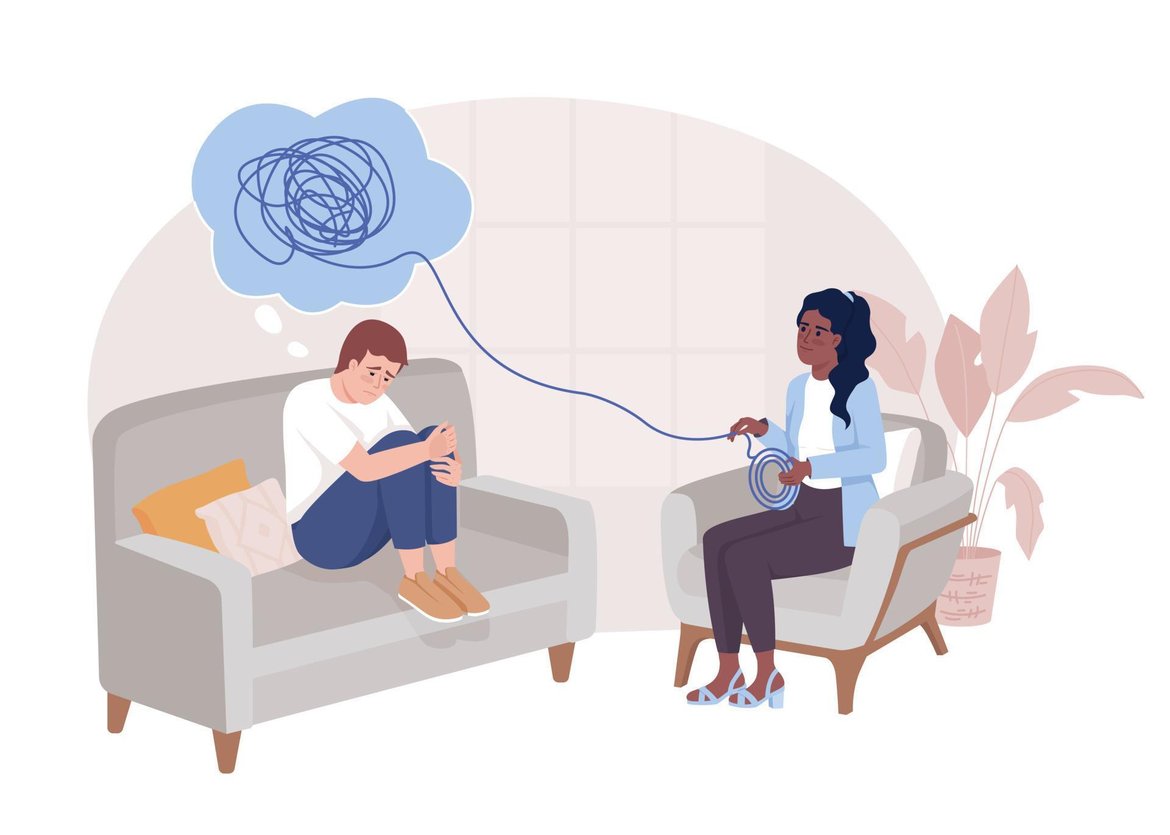
Vision
To become a leading undergraduate program in psychology and counseling in Palestine and the region, recognized for excellence in psychological education, ethical and culturally responsive practice, applied research, and meaningful contribution to community mental health and well-being.
Mission
The mission of the Bachelor Program in Psychology and Counseling is to prepare competent, ethical, and reflective graduates who integrate psychological knowledge, counseling skills, research competence, assessment literacy, and community engagement to serve individuals, families, schools, and communities in diverse and adversity-affected contexts.
|
Code |
Program Educational Objective |
|
PEO1 |
Professional Practice and Employability: Graduates will demonstrate readiness for employment or advanced study in psychology-related, counseling-support, educational, psychosocial, community, or human-service settings. |
|
PEO2 |
Ethical and Culturally Responsive Practice: Graduates will demonstrate ethical conduct, professional responsibility, cultural responsiveness, confidentiality, and collaborative behavior. |
|
PEO3 |
Evidence-Informed Service Development: Graduates will use psychological knowledge, assessment literacy, case understanding, and evidence-informed helping skills to support service quality and community well-being. |
|
PEO4 |
Community Mental-Health Contribution: Graduates will contribute to mental-health promotion, prevention, psychoeducation, resilience-building, and referral efforts in schools, families, institutions, or community settings. |
|
PEO5 |
Lifelong Learning and Professional Growth: Graduates will pursue continuous professional development through further study, training, supervision, certification, research, or specialized professional learning. |
|
Code |
Domain |
Program Learning Outcome |
|
PLO1 |
Knowledge |
Explain major concepts, theories, historical developments, and applications in psychology and counseling. |
|
PLO2 |
Knowledge |
Describe lifespan development, mental-health determinants, psychological disorders, and basic diagnostic frameworks relevant to counseling practice. |
|
PLO3 |
Knowledge and Research |
Explain research methods, statistics, psychometrics, psychological measurement, and principles of evidence-based practice. |
|
PLO4 |
Cognitive Skills |
Analyze psychological, educational, family, and community problems using developmental, biopsychosocial, and sociocultural formulations. |
|
PLO5 |
Cognitive Skills |
Develop evidence-informed counseling, preventive, psychoeducational, referral, or follow-up plans appropriate to bachelor-level scope. |
|
PLO6 |
Cognitive and Ethical Reasoning |
Critically evaluate research findings, counseling programs, and ethical dilemmas to justify professional decisions. |
|
PLO7 |
Professional Skills |
Demonstrate effective basic counseling microskills, including rapport building, active listening, questioning, reflection, summarizing, and goal clarification. |
|
PLO8 |
Assessment Skills |
Select, administer, score, interpret, and communicate selected psychological measures ethically and cautiously within bachelor-level competence. |
|
PLO9 |
Program and Group Skills |
Plan and facilitate psychoeducational or group activities and maintain appropriate professional documentation. |
|
PLO10 |
Research and Inquiry |
Design, conduct, analyze, and present an applied research, needs-assessment, or program-evaluation project. |
|
PLO11 |
Communication and Collaboration |
Communicate professionally in oral, written, interpersonal, and digital formats and work effectively in multidisciplinary teams. |
|
PLO12 |
Professional Dispositions |
Demonstrate ethical conduct, cultural humility, self-awareness, reflective practice, confidentiality, boundaries, and commitment to lifelong learning. |